A Case Study by Laura Collins.
Case Management Following Traumatic Brain Injury
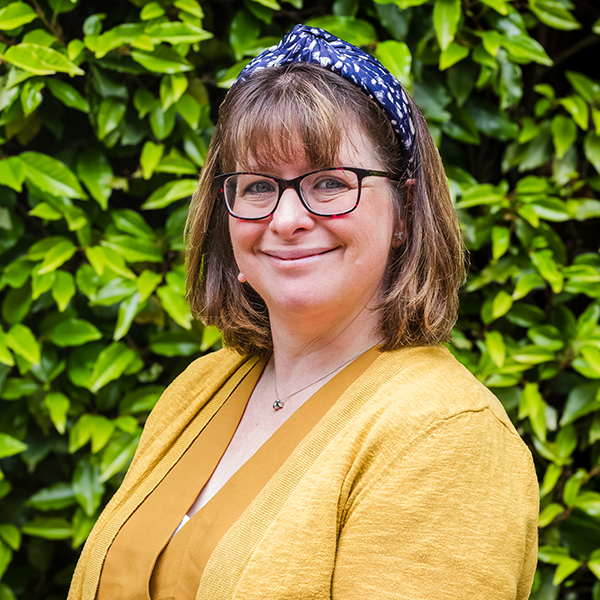
An Introduction to Laura.
Laura has over 17 years’ experience as a Neuro Occupational Therapist working with clients who have both acquired and traumatic brain injuries.
Laura has extensive clinical and leadership experience within the field of neurorehabilitation which has provided her with a range of skills and knowledge for supporting clients who have complex life changing injuries with both their journey of recovery, ongoing adjustment to their daily activities and life experiences.
Laura’s recent case management experience includes working with clients with neurological, visual and orthopaedic injuries for both unsettled and settled cases. She is keen to learn new skills and to develop her existing skill-set to continue to develop her career as a case manager.
Laura is caring, understanding and passionate about supporting clients to work towards their personal goals using a holistic, person-centred approach and the fundamental principles of Occupational Therapy. Laura believes that identifying achievable functional and meaningful short term and long-term goals enables her clients to focus on working towards maximising their independence and focusing on their future.
Laura has a strong work ethic; she is efficient and takes great pride in her work. Laura enjoys seeing my clients make progress and providing them opportunities to participate in previously enjoyed activities and trying out new ones to enhance their well-being and quality of life
An Introduction to the Case.
At the time of her injury in 2017, the client was 17 years old and enrolled as a college student. She was a passenger in a vehicle involved in a road traffic collision (RTC), which resulted in her sustaining a severe traumatic brain injury (TBI), along with associated MSK injuries, including fractures to her upper limb. Additionally, she experienced left-sided hemiparesis.
The client is currently 25 years of age.
The Summary.
The client presents with altered muscle tone, reduced upper and lower limb function, and visual impairment, having lost the vision in her left side. As a result of her TBI, she experiences cognitive behavioural challenges, particularly with executive functioning, finding tasks such as planning and organisation, and complex decision-making overwhelming without support. The client is highly motivated to maintain her independence and live her life her way. However, periods of low mood and cognitive and physical fatigue can influence her capacity to do this. On these occasions, motivation and engagement can vary, and the type and intensity of support required must be responsive and flexible. As part of the Case Management process, Laura assesses, monitors, and reviews the client’s presentation with her, her immediate support system, and the MDT to ensure that the emotional wellbeing support in place both meets the client’s presenting needs and supports mitigation of the identified risks.
The client, the MDT, and the personal assistant (PA) support team meet regularly with the case manager to review progress and develop resources to assist with daily living tasks.
The client’s injuries occurred at a time when she would have been developing her general life skills and experiences, such as going to university and gaining employment. Supporting the client to work with a highly skilled team that can enable her to develop life skills, establish weekly routines, and maximise her quality of life has been key to supporting her progress to date.
All goal setting has been led by the client. She has a therapy team and PAs to support her with maximising her independence and enabling her to achieve her goals. The team work with her on skill development and maintenance. When she identifies a new goal—which in the past has included volunteering, cycling, and learning new skills such as pottery—they will develop a risk assessment and support plan with her to facilitate development in this area in a safe and graded way. Another aspect of her ongoing rehabilitation is supporting increased awareness, skill development, and strategy use with managing money. This may include budgeting for the day-to-day running of a home and planning for bigger life events, like holidays.
Finding the right team has been challenging; however, involving the client in the process of recruitment and review of services and support plans with Laura has been essential to ensure that the client’s goals, preferences, and aspirations remain the central focus of those working with her.
Enabling the client to feel empowered and have control over the elements that she can, developing her home-making and life skills, and getting a balance between the fun activities and the mundane activities has been a really important factor in maximising her success.
“The team have spent considerable time reviewing what is meaningful to the client and understanding her values. I think it’s important to understand a person’s sense of self and establish short and long-term goals to continue to support them to develop their own identity following such a catastrophic injury. She really is an inspirational woman.”
– Laura Collins (Case Manager)
Conclusion
The client started with a private physiotherapist that specialised in shoulder injury and was seen to be benefiting from their approach and it was noted that there was an increasing range of movement in her right arm. This private physio also started massage and manipulation which was reported to be benefiting the client physically and mentally provided her with some relief. She said that she felt very safe with this physiotherapist’s approach, and had confidence in their knowledge of her condition.